Taxi and Shared Mobility
Taxis and shared mobility can be useful when travelling by bus, train, bike, or car is not convenient. In the Northern Netherlands, these options can help you travel late at night, reach rural areas, get to a station or airport, or make shorter local journeys. This page gives an overview of taxis, hub taxis, ride-hailing apps, shared cars, shared bikes, and shared scooters or mopeds in Groningen, Friesland, and Drenthe.
What you can find on this page:
Taxi and ride-hailing services
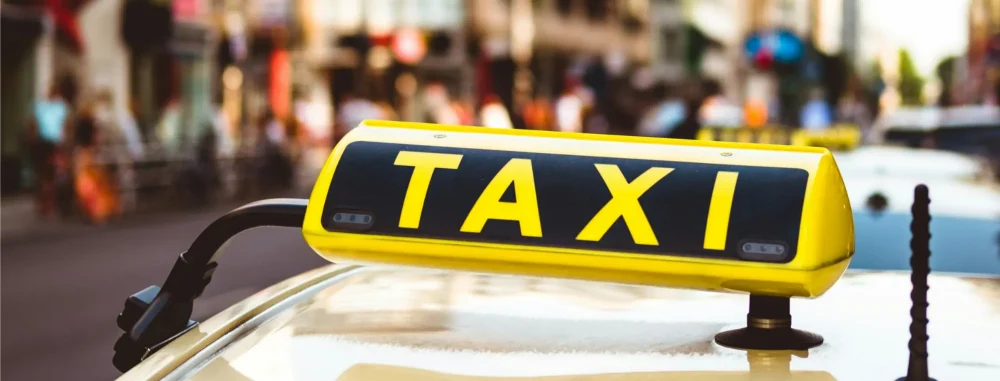
Taxis in the Netherlands are usually booked in advance by phone, website, or app. You can also find taxi stands at certain locations, such as train stations, airports, hotels, and busy city centres. Unlike in some countries, taxis are not always hailed from the street. If you need a taxi, it is usually better to book one in advance, use a taxi app, or go to an official taxi stand.
In some cities, you may also be able to use ride-hailing services or taxi apps. Availability can differ per city, time of day, and provider. Some local taxi companies also have their own booking apps or online reservation systems.
Before starting your journey, check the estimated fare, payment options, pick-up location, cancellation rules, and driver or vehicle details. Taxi fares are usually higher than public transport, especially for longer journeys, evening travel, airport transfers, or rides outside city centres.
Hub taxis
In some parts of the Northern Netherlands, you may be able to use a hub taxi. A hub taxi connects your address to a public transport hub, such as a bus stop or train station. This can be useful if you live further away from regular public transport or if it is difficult to reach a hub by walking or cycling.
Hub taxi services and conditions can differ per municipality or region. You may need to book in advance, and the service may not be available everywhere. Check the relevant regional public transport or your municipality’s website before travelling.
Shared mobility: cars, bikes, scooters, and mopeds
Shared mobility means using transport that you do not personally own, usually for a short period of time. This can include shared cars, bikes, cargo bikes, scooters, or mopeds. These services are usually arranged through an app. You may need to create an account, verify your identity, accept the provider’s conditions, and pay per ride, per minute, per hour, or through a subscription.
Availability differs per city, neighbourhood, and provider. Shared vehicles are usually easier to find in larger cities and around stations, campuses, business areas, city centres, and transport hubs.
Shared cars can be useful if you only need a car occasionally, for example for shopping, moving items, or travelling to places that are harder to reach by public transport. Shared bikes, scooters, and mopeds can be useful for short local journeys or for the first or last part of a trip.
Before using a shared vehicle, check the provider’s rules carefully. Depending on the vehicle, you may need a valid driving licence, minimum driving experience, identity verification, and a payment method. Also check what is included in the price, where you are allowed to ride and park, and what to do in case of damage, delay, or an accident.
FAQ about taxis and shared mobility
Are taxis easy to find in the Netherlands?
Taxis are available in many cities and at places such as train stations, airports, hotels, and busy city centres. In smaller towns or rural areas, it is usually better to book a taxi in advance by phone, website, or app.
Can I use taxi apps in the Northern Netherlands?
In some cities, you can use taxi apps or ride-hailing services, but availability can differ per city, provider, and time of day. Some local taxi companies also offer online booking or their own apps.
What is a hub taxi?
A hub taxi connects your address to a public transport hub, such as a bus stop or train station. It can be useful if you live further away from regular public transport. Availability and booking conditions differ per region, so check the relevant local information before travelling.
Do I need a driving licence for shared mobility?
This depends on the type of vehicle and provider. Shared cars and some scooters or mopeds require a valid driving licence. Shared bikes usually do not. Always check the provider’s rules before booking.
What does shared mobility mean?
Shared mobility means using transport that you do not personally own, usually for a short period of time. This can include shared cars, shared bikes, shared scooters, or shared mopeds.