ING
Enjoy easy and complete banking for a smooth start. At ING its more than just banking, we provide you with the support and convenience you need as you embark on your new journey.
Payment habits in the Netherlands may be different from what you are used to. Many everyday payments are made by debit card, contactless payment, mobile wallet, online bank transfer, or iDEAL | Wero. Cash is still accepted in some places, but it is used less often than in many other countries.
This page explains common payment methods in the Netherlands, including debit cards, digital wallets, iDEAL | Wero, credit cards, cash, paying bills, direct debit, foreign currency, and sending money abroad.
Many payments in the Netherlands are made digitally. Debit cards, contactless payments, mobile wallets, and online bank payments are widely used for everyday purchases, bills, appointments, and online shopping.
Debit cards are widely used in the Netherlands. A Dutch debit card is often called a pinpas, and paying by debit card is often called pinnen.
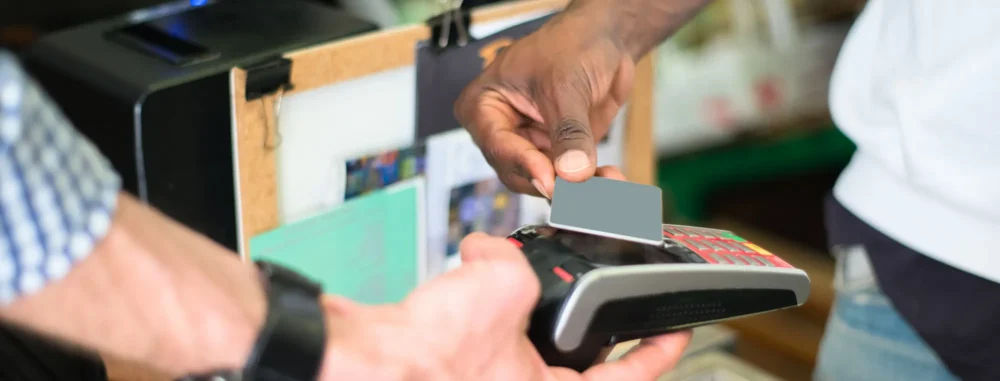
You can use a debit card in many shops, supermarkets, restaurants, public transport locations, and service points. Contactless payments are also common. For smaller amounts, you may be able to pay without entering your PIN code, depending on your bank and card settings.
Some payment terminals may not accept all foreign debit cards or credit cards. If you have just arrived in the Netherlands, it is useful to check whether your current card works locally and whether your bank charges extra fees for foreign transactions.
Many banks allow you to add your debit card or credit card to a digital wallet, such as Apple Pay or Google Pay. This allows you to pay with your phone or smartwatch instead of using a physical card.
You usually need to activate digital wallet payments through your banking app. Check your bank’s website or app for the exact steps, supported devices, security settings, and spending limits.
iDEAL has long been one of the most common online payment methods in the Netherlands. It is now gradually transitioning to Wero, a European payment solution. During the transition, you may see the name iDEAL | Wero in webshops, banking apps, and online payment screens.
For users, the payment process will feel familiar. When paying online, you choose iDEAL | Wero, select your bank, and confirm the payment through your banking app or online banking environment.
You may see iDEAL | Wero when paying for online shopping, delivery services, donations, invoices, appointments, event tickets, or government-related payments. Some international websites may not offer it. In those cases, you may need to use a credit card, PayPal, bank transfer, or another payment method.
Credit cards are accepted in many hotels, car rental companies, travel services, online shops, and larger businesses. However, they are not always accepted for everyday payments in smaller shops, supermarkets, cafés, or local services.
If you rely on a credit card, check in advance whether it is accepted. Some Dutch banks offer credit cards separately from the standard bank account package, and approval may depend on your income, residence status, or banking history.
Cash is still used in the Netherlands, but many shops and services prefer card payments. Some places may still accept cash, while others may be card-only.
You can withdraw cash from ATMs, often through Geldmaat machines. Check whether your bank charges withdrawal fees, especially if you use a foreign card or withdraw money outside the euro area. It is useful to keep a small amount of cash for situations where card payments are not possible, but most everyday payments can usually be made by card or digitally.
Checks are not commonly used in the Netherlands. Most payments are made by debit card, online bank transfer, direct debit, iDEAL | Wero, or another electronic payment method.
If you receive a check from another country, ask your bank whether it can be processed and what the costs are. Processing checks can be slow, expensive, or unavailable, depending on the bank and type of check.
Bills and transfers in the Netherlands are usually handled through online banking, mobile banking, direct debit, or payment links. If you receive an invoice, make sure you use the correct payment details and reference number.
Many bills in the Netherlands are paid by online bank transfer, iDEAL | Wero, or direct debit. Direct debit is known in Dutch as automatische incasso. This allows a company or organisation to collect payments from your bank account after you have given permission.
Direct debit is often used for rent, utilities, insurance, phone subscriptions, memberships, taxes, or other recurring payments. Before agreeing to direct debit, check the amount, payment frequency, cancellation rules, and company details.
If you receive an invoice, it usually includes an IBAN, payment reference, amount, and due date. Always include the correct payment reference when paying a bill, so the recipient can match the payment to your invoice.
An IBAN is short for an International Bank Account Number. It is used for bank transfers in the Netherlands and across the SEPA area. A Dutch IBAN usually starts with NL.
A BIC or SWIFT code may be needed for some international payments, especially outside the SEPA area. For many euro payments within SEPA, the IBAN is usually the most important number.
Companies and organisations in the SEPA area generally should not refuse a valid SEPA IBAN just because it comes from another European country. If a company refuses your European IBAN for euro payments or direct debit, this may be IBAN discrimination. You can check information from De Nederlandsche Bank if this happens.
If you need foreign currency for travel, check the exchange rate, service fee, and collection options before exchanging money. Banks, currency exchange offices, airports, and online services may all use different rates and fees. You can exchange money at the geldwisselkantoor (foreign currency exchange office), which can commonly be found at train stations and airports.
If you want to send money abroad, you can use your bank or an international money transfer service. Compare the exchange rate, transfer fee, delivery time, payment method, and recipient options before sending money.
For transfers outside the euro area, extra fees may apply. Your own bank, the receiving bank, or an intermediary bank may charge costs. Always check the total cost before confirming the transfer.
Common payment methods include debit cards, contactless payments, digital wallets, iDEAL | Wero, online bank transfers, direct debit, and sometimes cash. Credit cards are accepted in many places, but not everywhere.
Often yes, but not always. Some payment terminals may not accept all foreign cards, and your bank may charge extra fees. If you have just arrived, check whether your card works locally and consider opening a Dutch bank account if needed.
No, checks are not commonly used in the Netherlands. Most payments are made by debit card, bank transfer, iDEAL | Wero, direct debit, or another electronic payment method. If you receive a check, ask your bank whether it can process it and what the costs are.
Direct debit, known in Dutch as automatische incasso, allows a company or organisation to collect payments from your bank account after you have given permission. It is often used for recurring payments such as utilities, insurance, subscriptions, and memberships.
iDEAL is a common online payment method in the Netherlands and is gradually transitioning to Wero, a European payment solution. During the transition, you may see the name iDEAL | Wero in webshops, banking apps, and online payment screens. You can use it to pay through your own bank’s app or online banking environment.
Enjoy easy and complete banking for a smooth start. At ING its more than just banking, we provide you with the support and convenience you need as you embark on your new journey.
EB Mortgages are mortgage consultants with a thorough understanding of the challenges when buying a property in the Netherlands.
We are Expat Mortgages, financial experts who think in terms of opportunities and growth.
For more than 25 years, ABN AMRO has been the trusted financial specialist and partner for expats, diplomats, civil servants and international organisations.