
Everyday Dutch Customs and Social Life
Every country has its own everyday customs, social habits, and unwritten rules. The Netherlands is no different. If you are new to the country, learning a few common Dutch customs can make daily life, work, social contact, and community life easier to understand.
This page explains everyday Dutch customs and social life, including punctuality, planning, visiting people, neighbours, food habits, borrels, communication styles, and religion in the Netherlands.
What you can find on this page:
Planning and punctuality
The Dutch often value planning and punctuality. Many people use an agenda or calendar to plan appointments, social visits, work meetings, sports, and family time. Spontaneous visits are less common than in some other cultures, especially if you do not know someone well.
If you have an appointment or have been invited somewhere, try to arrive on time. If you are running late, it is polite to let the other person know. Being punctual is often seen as respectful of someone else’s time.
Social plans may also be made well in advance. This does not always mean people are distant or uninterested. It often simply reflects how people organise their time.
Visiting people and social invitations
In the Netherlands, people usually make plans before visiting someone at home. It is not very common to drop by unannounced, especially with neighbours, colleagues, or people you do not know well yet.
If you are invited to someone’s home, you may be offered coffee, tea, cake, snacks, or drinks, depending on the time of day. Dutch visits can be quite structured. For example, a coffee visit may really mean coffee and cake, while a dinner invitation is usually mentioned clearly.
Birthdays are also important social occasions. It is common to congratulate not only the person whose birthday it is, but also their family or close friends in the room. You may hear people say “gefeliciteerd” several times during a birthday visit.
Neighbours and local courtesy
Good neighbourly behaviour is important in the Netherlands. If you are having a party, doing renovation work, or expecting noise, it is considerate to inform your neighbours in advance.
Many people expect noise to be reduced in the evening, especially after around 22:00 or 23:00. Exact expectations can differ by building, neighbourhood, and municipality, but clear communication usually helps.
In apartment buildings, shared spaces such as hallways, staircases, gardens, bicycle storage, and waste areas are often expected to be kept clean and accessible. If there are house rules or homeowners’ association rules, it is useful to read them after moving in.
Dutch communication style
Dutch communication can feel direct. People may give their opinion clearly, ask practical questions, or say what they mean without much indirect language. This directness is not always meant to be rude. In many situations, it is seen as honest, efficient, or practical.
At the same time, politeness still matters. Saying “please”, “thank you”, greeting people, respecting personal space, and keeping appointments are all appreciated.
In work and social settings, people may also separate work time and private time. Colleagues may enjoy a drink after work, but still keep evenings and weekends for family, friends, hobbies, or rest.
Food, drinks, and borrels
Dutch food habits may be different from what you are used to. Many people eat bread for breakfast or lunch, often with cheese, spreads, peanut butter, or sweet toppings such as hagelslag (chocolate sprinkles). Dinner is often eaten relatively early compared with some other countries.
Traditional Dutch foods include stamppot, pea soup, Dutch fries, herring, poffertjes, stroopwafels, liquorice, and snacks such as kroketten or bitterballen. You may also see snack walls, where warm snacks are bought from vending-machine-style compartments.
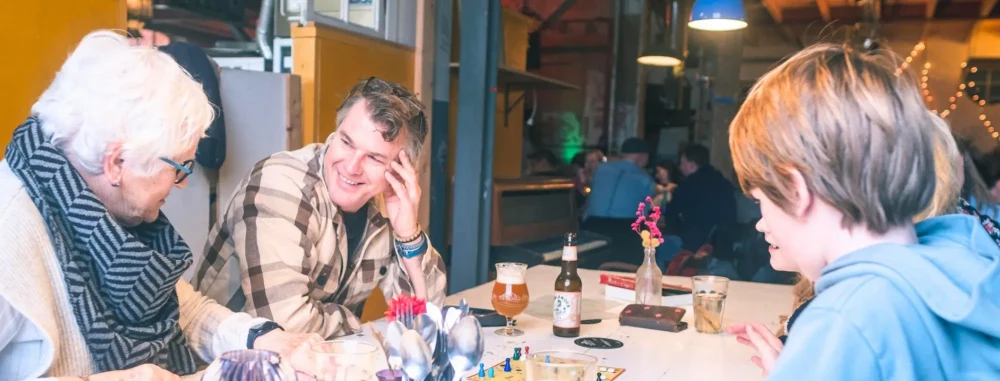
A borrel is an informal drink or social gathering, often after work or during an event. It may include beer, wine, soft drinks, and small snacks such as bitterballen or cubes of cheese. A borrel is usually more casual than a dinner and may not include a full meal.
When the weather is sunny, terraces become very popular. Even if the temperature is still quite low, many people enjoy sitting outside for coffee, lunch, or drinks.
Religion and places of worship
The Netherlands is home to people with many different religious and non-religious backgrounds. In Groningen, Friesland, and Drenthe, you can find different places of worship and religious communities, including churches, mosques, synagogues, temples, meditation groups, and international faith communities.
Religious practice is often considered a personal matter. Some people are actively religious, while others are secular or do not discuss religion often in daily life.
If you are looking for a place of worship or community group, check local listings, community organisations, university networks, municipality websites, or international community groups in your area. Services or gatherings may be available in Dutch, English, or other languages, depending on the community.

FAQ about Everyday Dutch Customs and Social Life
Are Dutch people always direct?
Dutch communication can be direct, especially compared with some other cultures. People may say what they think quite clearly. This is usually meant to be practical or honest, not necessarily rude.
Is it normal to visit someone without making plans?
Usually not. In the Netherlands, it is common to make plans before visiting someone at home. Dropping by unannounced is less common, especially if you do not know someone well.
Why is punctuality important in the Netherlands?
Many people plan their day carefully, so arriving late without notice can be considered inconsiderate. As such, being on time is often seen as respectful. And if you are delayed, it is polite to send a message or call the person you are meeting as soon as you know you'll be delayed.
What is a borrel?
A borrel is an informal drink or social gathering. It often includes drinks and small snacks, but usually not a full meal. Borrels can happen after work, at events, or with friends.