Things to do in The North
Groningen, Friesland, and Drenthe each offer a different way to experience the Northern Netherlands. From lively city centers, festivals, and historic towns to lakes, forests, coastal landscapes, and local traditions, there is much more to the region than you may discover through everyday life alone. Whether you have recently arrived, have visitors coming to stay, or simply want to explore somewhere new at the weekend, getting to know the wider region can also help the North feel more like home. Below, you can find some inspiration for what makes each of the three northern provinces distinctive, together with useful places to find current events and activities.
What you can find on this page:
Things to do in Groningen
Groningen offers a strong contrast between city and countryside. In Groningen city, much of everyday leisure is concentrated within a compact area that is easy to explore on foot or by bicycle. The city has a large student population and an active cultural scene, with museums, music, theatre, nightlife, street art, markets, exhibitions, festivals, and other events taking place throughout the year. Visit Groningen currently highlights everything from major festivals and cultural programmes to smaller exhibitions, performances, and neighbourhood activities.
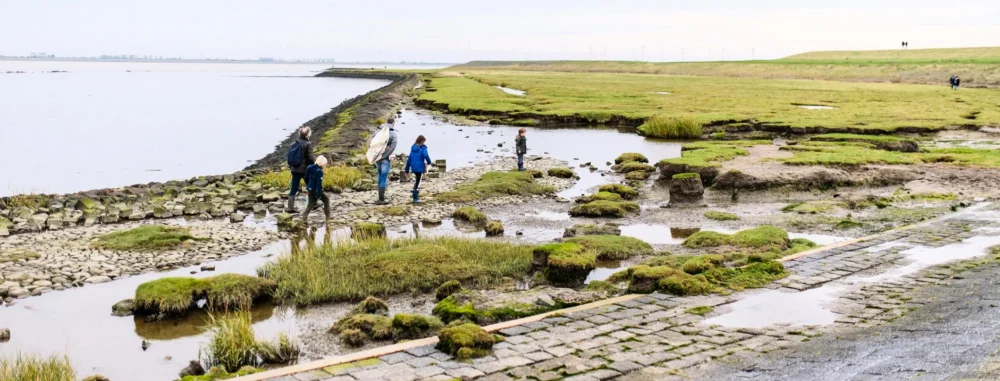
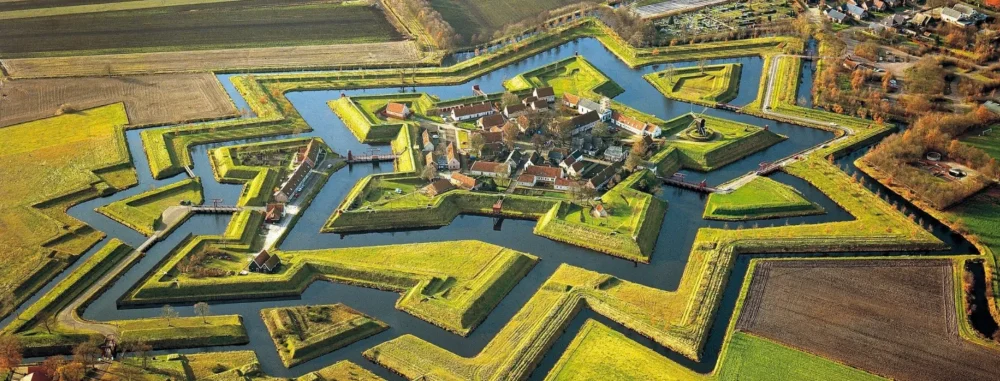
But Groningen is much more than its city center. Travel beyond the city and the landscape quickly opens up into farmland, waterways, historic villages, old churches, country estates known as borgen, and the northern coastline. National Park Lauwersmeer and the Wadden Sea area provide a very different experience from the city, while regions such as Bourtange, Westerwolde, Oldambt, Eemsdelta, and the Westerkwartier each have their own landscapes and local character. Visit Groningen also lists things to do to help you discover more of what Groningen has to offer.
This mix means that a day in Groningen can look very different depending on what you are in the mood for: a concert or exhibition in the city, a village market, cycling through the countryside, exploring heritage sites, or simply spending a few hours somewhere you have never visited before.
For current events and ideas, check out Visit Groningen’s event calendar, and for events and activities specifically in English, you can check out Here&Now Groningen.
Things to do in Friesland
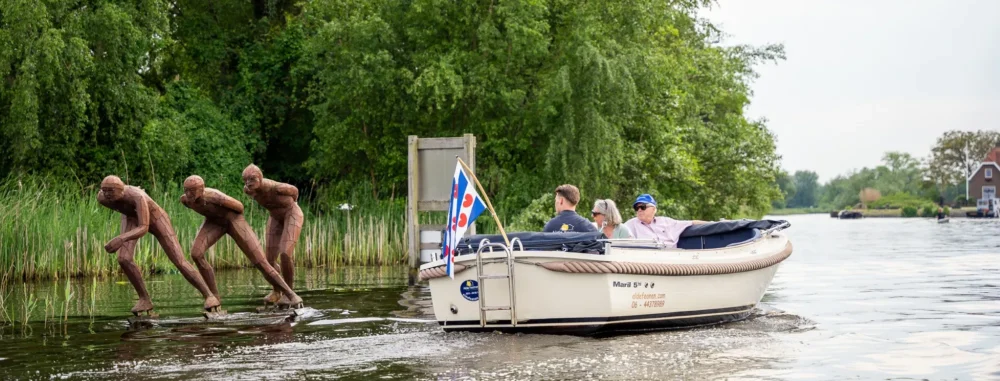
Friesland has a very different character, with water, historic towns, and a strong regional identity playing a particularly visible role in everyday life. The province is famous for its lakes and waterways, making sailing, boating, and other watersports an important part of the summer months. Cycling and walking are also easy ways to explore the landscape, while Friesland’s connection to the Wadden Sea gives access to coastal areas and the Wadden Islands. The official regional tourism site highlights water activities, museums, family activities, cycling, walking, routes, festivals, and exhibitions throughout the province.
Friesland is also home to eleven historic cities. Leeuwarden is the largest and has the province’s greatest concentration of museums, cultural venues, shops, and events, but it is worth looking further afield as well. Towns such as Sneek, Harlingen, Dokkum, Franeker, and Hindeloopen each offer their own combination of architecture, waterways, local culture, markets, and seasonal activities.
Frisian culture is particularly visible through the province’s language, traditions, sports, food, and community events. Depending on when you visit, you may encounter everything from small village gatherings and local markets to major sporting and cultural events. Friesland’s current calendar includes concerts, festivals, exhibitions, markets, sports, workshops, and activities spread across Leeuwarden, the mainland regions, and the Wadden Islands.
For inspiration and up-to-date event listings, Friesland.nl provides an English-language section covering activities and destinations throughout the province.
Things to do in Drenthe
If Groningen is characterised by the contrast between city and countryside, and Friesland by water, Drenthe is particularly associated with nature, prehistoric heritage, and open landscapes.
Forests, heathlands, countryside, and an extensive network of walking and cycling routes make the province particularly well suited to people who enjoy spending time outdoors. Activities you can do across Drenthe range from nature excursions and canoeing to guided tours, museum visits, markets, festivals, sports events, and family days out.
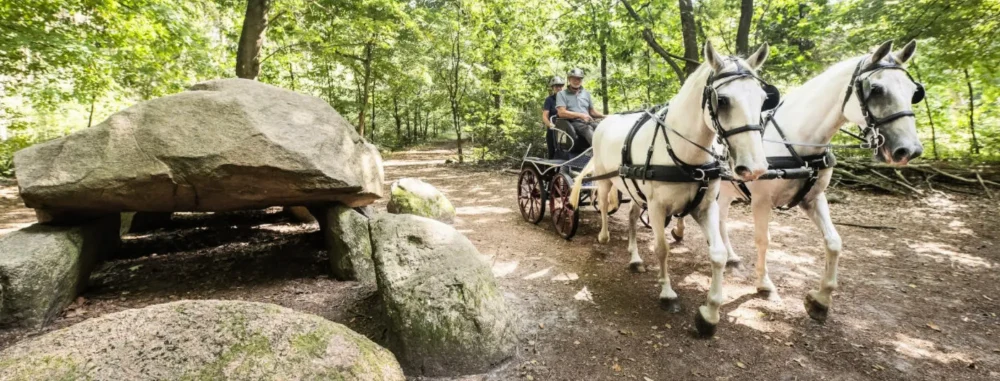
The province is also closely connected to the Netherlands’ prehistoric past. Drenthe is known for its hunebedden, megalithic tombs constructed thousands of years ago, which can still be found throughout the province. Historic villages and heritage destinations add another layer to exploring the area, while towns such as Assen, Emmen, Meppel, and Coevorden provide cultural activities, shopping, events, and attractions alongside the more rural surroundings.
Drenthe is also home to ASTRON, the Netherlands Institute for Radio Astronomy, whose mission is to make discoveries relating to radio astronomy happen. ASTRON is primarily a research institute rather than a tourist attraction, although it occasionally organizes public open days. But this does not mean that you do not get a peek at what they are doing. Near the former Camp Westerbork, you can find WSRT (Westerbork Synthesis Radio Telescope), which consists of 14 large radio dishes set in the forest. The roughly 5 km Melkwegpad/Bospad walking route passes both the former camp and the observatory and includes information about astronomy and the planets along the way. Further south, in National Park Dwingelderveld, you can also find the Dwingeloo Radio Telescope, a national monument that was the largest radio telescope in the world when it opened in 1956. The telescope is open to visitors through the CAMRAS foundation, and a 4 km walking route leads past it.
Drenthe can therefore be particularly enjoyable when you want a slower day out: walking through the woods or heathland, cycling between villages, visiting a museum or heritage site, taking children to an attraction, or combining nature with a local event. The provincial events calendar includes exhibitions, music and theatre, festivals, markets, excursions, sports activities, and other events throughout the year.
Things to do in the Wadden Sea
Stretching along the northern coastline of Groningen and Friesland, the Wadden Sea is one of the most distinctive landscapes in the Northern Netherlands. It forms part of the UNESCO World Heritage as the world’s largest unbroken system of intertidal sand and mud flats, and an internationally important habitat for migratory birds and marine wildlife.
The Wadden region includes both the mainland coast and the islands offshore. Along the Groningen and Frisian coast, you can explore wide-open landscapes, salt marshes, historic villages, dikes, nature areas, and viewpoints overlooking the tidal flats. The landscape changes continually with the tides, creating a very different atmosphere from the inland parts of either province.
One of the most characteristic ways to experience the area is wadlopen (mudflat walking)—walking across parts of the seabed when the tide is out. Because conditions can change quickly and the ecosystem is sensitive, mudflat walking should be done with an experienced guide. Other ways to explore the region include walking and cycling along the coast, birdwatching, visiting museums and heritage sites, watersports, and joining nature excursions.
The Wadden Islands provide another option for a day trip or longer stay. From Friesland, ferries connect the mainland with islands including Vlieland, Terschelling, and Ameland, while Schiermonnikoog can be reached from Lauwersoog in Groningen. Each island has its own character, but beaches, dunes, walking, cycling, nature, and the feeling of being surrounded by the sea are central to the experience.
For current activities, events, routes, ferry information, and ideas for exploring both the mainland coast and the islands, Visit Wadden provides an English-language guide to the wider Wadden region.