
Food, Markets, and Local Products
Food can be one of the easiest ways to get to know a new region. Across Groningen, Friesland, and Drenthe, local landscapes and traditions have shaped what people grow, produce, cook, and eat—from coastal seafood and regional cheeses to baked specialities, farm produce, and local drinks. Whether you want to try northern specialties, shop at a weekly market, buy directly from a local producer, or find somewhere special to eat, there are plenty of ways to explore the North through food.
What you can find on this page:
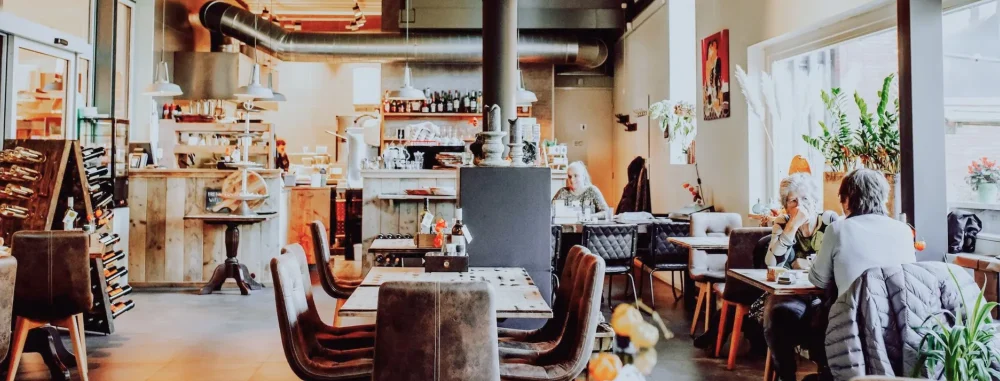
Taste The North: Regional cuisine
There is no single “Northern Dutch cuisine”. Groningen, Friesland, and Drenthe each have their own products and food traditions, influenced by their landscapes, agriculture, waterways, and local history.
Groningen
Groningen has several distinctive specialties. One of the best-known is the eierbal: a hard-boiled egg surrounded by ragout, breaded, and deep-fried. Other regional favourites include Groninger mustard and mustard soup, poffert, traditional cakes and biscuits, and products made with grain, vegetables, cheese, and other ingredients grown or produced in the province.
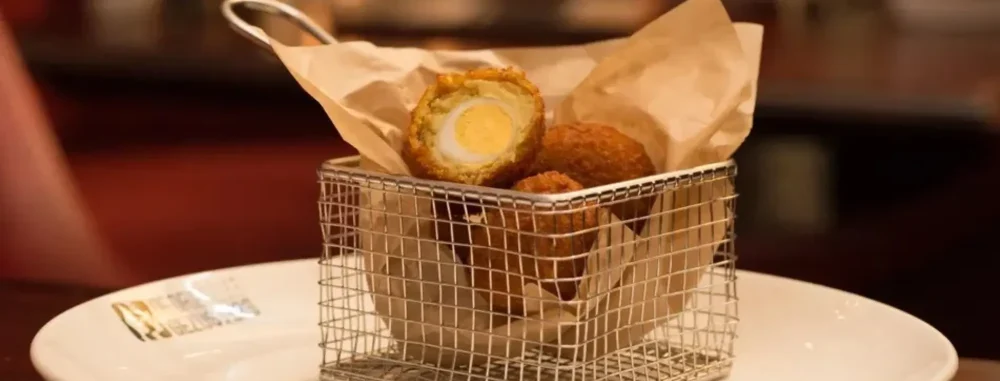
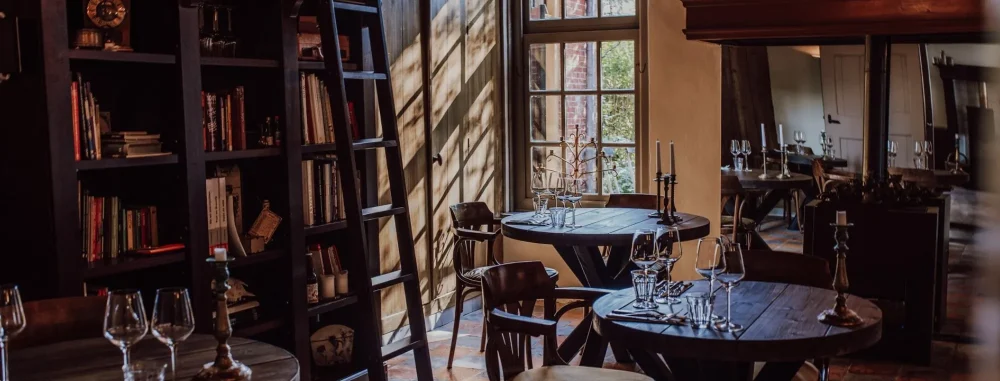
The landscape also plays an important role. Groningen’s countryside and Wadden coast provide ingredients ranging from locally grown grains and vegetables to prawns, fish, and salt-tolerant plants such as samphire. Local breweries, distilleries, bakeries, farms, and other producers add another layer to the province’s food culture.
If you would like to explore further, Visit Groningen has a dedicated local-products section with regional producers, recipes, farm shops, markets, and places to eat local food.
Friesland
Friesland has its own recognisable food traditions, with influences from both the agricultural landscape and the water surrounding it.
Along the coast and around the Wadden region, fish and seafood form another part of the local food culture. Across the province, restaurants and producers increasingly work with seasonal ingredients, regional farms, and produce from the Frisian Lakes, Wadden coast, and Fryske Wâlden.
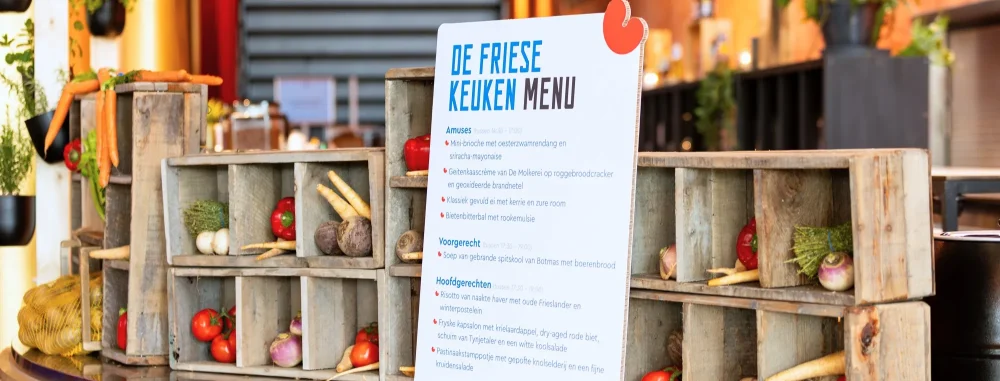
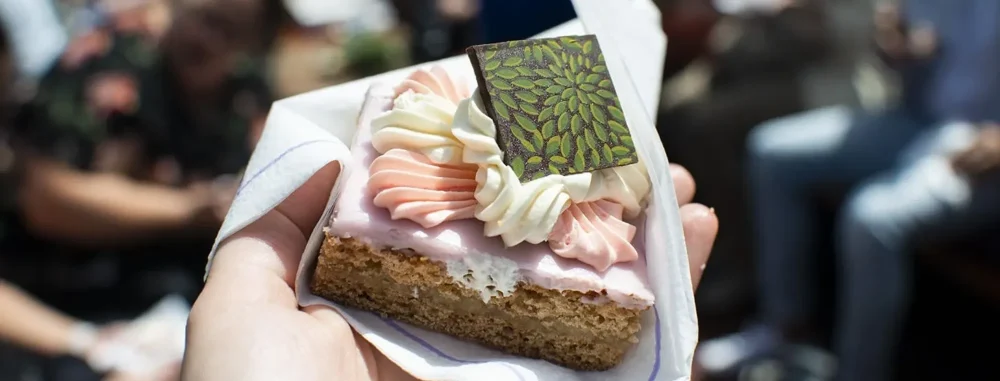
Traditional sweet specialties include oranjekoek, Fryske dúmkes, and sûkerbôle (Frisian sugar bread), while Friese nagelkaas is a distinctive cheese flavored with cloves and cumin. Beerenburg, a herbal spirit closely associated with Friesland, can also be found in many cafés and bars.
For more ideas, Friesland.nl provides information about local food, restaurants, farms, regional products, and food-related experiences throughout the province.
Drenthe
Drenthe has its own traditional food culture, shaped by rural life, agriculture, and the province’s history. One of its best-known seasonal treats is kniepertjes: thin, crisp waffles traditionally baked around New Year. Another characteristic local product is Drentse drogeworst, also known as kosterworst, a firm dried sausage that is typically eaten as a snack or with drinks.
Sweet and baked specialties also play an important role. The Zuidlaarderbol, a rich currant-and-raisin bread associated with Zuidlaren, has long been connected with the famous Zuidlaardermarkt. Drentse turf is another recognisable regional specialty: a cake or pastry named after the blocks of peat that were historically cut in the province’s peatlands.
Today, Drenthe’s regional food scene also includes products grown and made throughout the province, such as asparagus, blueberries and other soft fruits, vegetables, cheese, meat, heather honey, locally brewed beer, and wine. Farm shops and short food chains are particularly visible, making it relatively easy to buy directly from local producers.
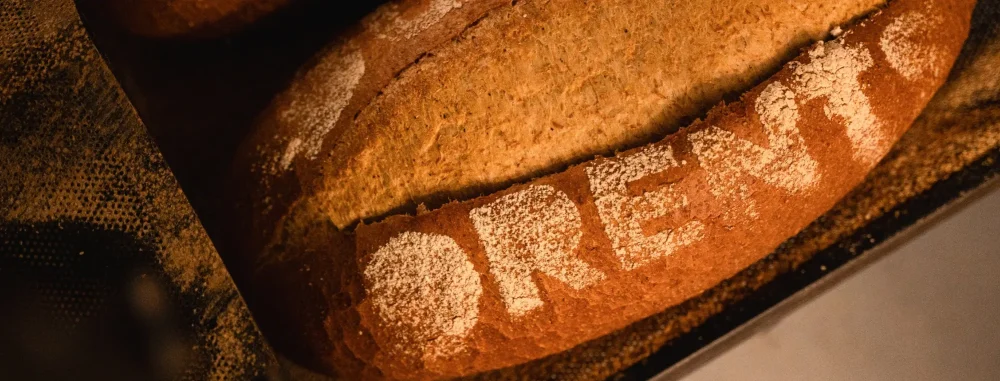
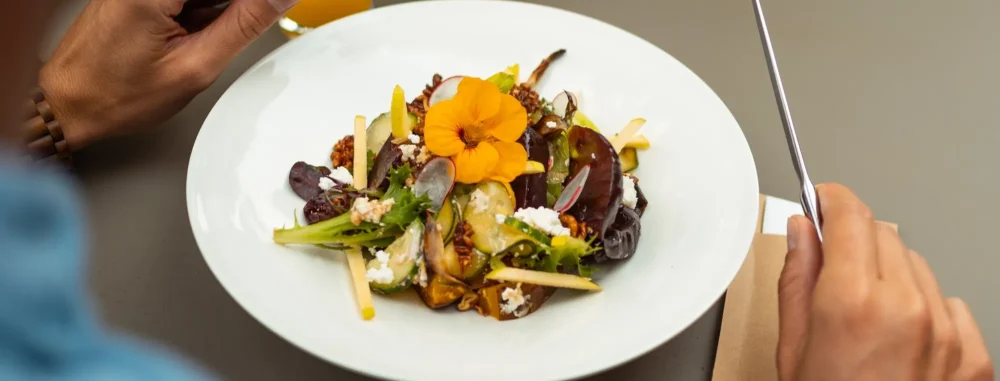
There is also increasing attention in Drenthe to short food chains: reducing the distance between producer and consumer and making it easier to understand where food comes from. Regional labels and initiatives help identify products that are grown, made, or processed in the province.
Drenthe.nl has a dedicated regional-products guide for restaurants, and for local products where you can find farm shops, producers, breweries, vineyards, and other places where you can taste or buy local food.
The Wadden Region
The Wadden coast connects Groningen and Friesland and adds its own character to the food of the North. Fish, prawns, oysters, other shellfish, and plants adapted to the salty coastal environment all feature in the wider Wadden food culture.
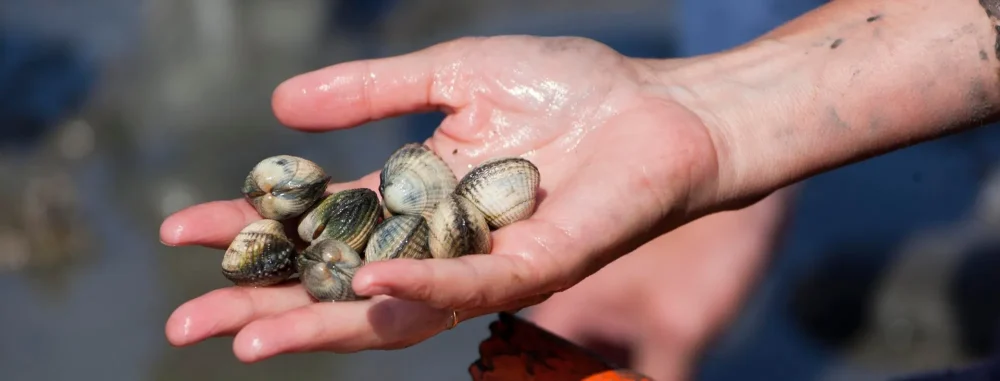
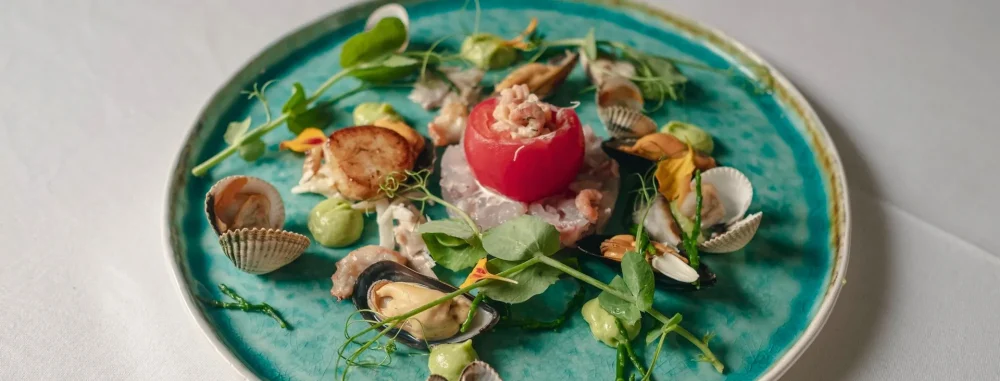
Some restaurants and producers in the region work directly with ingredients from the sea and surrounding farmland. If you are interested in how food connects to the Wadden landscape, local producers, coastal restaurants, markets, and food experiences can be an interesting addition to a visit to the area. Check out Visit Wadden‘s restaurant guide to find interesting restaurants in the area.
Markets, farm shops, and local products
Weekly markets remain a normal part of everyday life in many Dutch cities and towns. They are a useful place to buy fresh vegetables and fruit, bread, cheese, fish, meat, nuts, spices, flowers, prepared food, and other everyday products.
Some markets are primarily general weekly markets (weekmarkten or warenmarkten), while others focus more specifically on food from the region. Look for terms such as streekmarkt, boerenmarkt, or streekproductenmarkt if you are particularly interested in regional and directly produced food.
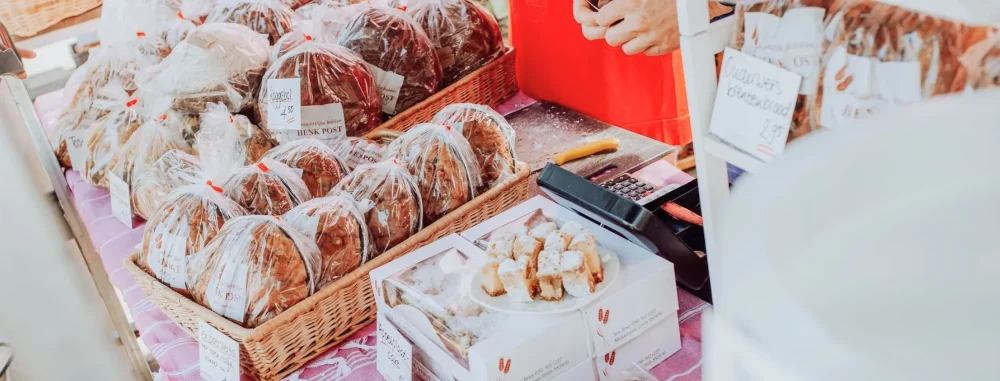
One of the largest examples in the North is the Vismarkt in Groningen, where a large market takes place several times a week. Alongside everyday groceries, you can find fish, cheese, bread, vegetables, local products, and ready-to-eat food. Smaller markets and regional-product markets can also be found throughout the city and province.
Friesland has markets, fairs, farm shops, roadside stalls, and producers across the province. In rural areas, it is not unusual to find farms selling vegetables, potatoes, eggs, dairy, meat, fruit, or other products directly to customers.
The same is true in Drenthe, where farm shops and local producers are an important part of the regional food landscape. Some are located along walking or cycling routes, making a farm shop, brewery, vineyard, or local producer an easy stop during a day out.
Market days and opening hours can change, particularly around public holidays and events. For the most current information, check the website of the relevant municipality, market organiser, or regional tourism organisation before visiting.
- VisitGroningen.nl: Market days in the city and the province of Groningen
- Friesland.nl: Market and braderie days in Friesland
- Drenthe.nl: Calendar for market and fairs in Drenthe
The North in Michelin Guide
The Northern Netherlands has a strong presence in the Michelin Guide, with recognised restaurants across Groningen, Friesland, and Drenthe. The Guide includes not only restaurants awarded Michelin Stars, but also Bib Gourmand and Michelin-selected restaurants covering different styles and price levels.
- Groningen: Nassau in Groningen and Herberg Onder de Linden in Aduard.
- Friesland: De Heeren van Harinxma in Beetsterzwaag and Restaurant Smink in Wolvega.
- Drenthe: De Vlindertuin in Zuidlaren and Le Epifaan in Veeningen.
The Michelin selection extends beyond starred restaurants. Across the three northern provinces, the Guide also highlights other restaurants for the quality of their cooking, including Bib Gourmand and Michelin-selected establishments.
A wider range of northern restaurants is also included in Michelin’s selected restaurant listings. In Groningen, these include restaurants such as De Grote Frederik Bistro, Hanasato, and de Molenaar in Onderdendam. Friesland’s selection reaches well beyond Leeuwarden, with restaurants such as Mearkas in Eastermar, De Hinde in Hindeloopen, and Oan Tafel in Wergea. In Drenthe, Michelin-selected restaurants include De Keuken van Arragon in Fluitenberg, De Gaffel in Valthe, and Sukade in Meppel.
Together, these restaurants reflect the variety of dining across the North: creative and modern cooking, international influences, farm-to-table concepts, market-led menus, and restaurants that make use of seasonal or regional ingredients. They can be found not only in cities like Groningen and Leeuwarden, but also in villages and smaller towns throughout all three provinces.
Restaurant openings, closures, and Michelin distinctions can change over time. For the most current selection, always check the Michelin Guide Netherlands directly before planning a special journey or making a reservation.
FAQ about Food, Markets, and Local Products
What food is Groningen known for?
Groningen has several distinctive regional specialties. The eierbal is perhaps the best known: a hard-boiled egg surrounded by ragout, breaded, and deep-fried. Other local favourites include Groningen mustard and mustard soup, poffert, oudewijvenkoek, and regional products made with locally grown grains, vegetables, cheese, fish, and Wadden produce.
What food is Friesland known for?
Friesland is particularly known for baked and sweet specialities such as sûkerbôle (Frisian sugar bread), oranjekoek, and Fryske dúmkes. Other characteristic products include Friese nagelkaas, a cheese flavoured with cloves and cumin, and Beerenburg, a herbal spirit strongly associated with the province. Fish and seafood also feature prominently along the Frisian coast and Wadden region.
What food is Drenthe known for?
Traditional Drenthe specialties include kniepertjes, thin crisp waffles traditionally eaten around New Year, and Drentse drogeworst or kosterworst, a dried sausage often eaten as a snack. Other regional specialties include Zuidlaarderbol, a rich currant-and-raisin bread associated with Zuidlaren, and Drentse turf, a cake whose name refers to the province's peat-cutting history. Today, Drenthe is also known for locally produced asparagus, soft fruits, honey, dairy, meat, beer, wine, and products sold directly through farm shops.
Where can I buy local food and regional products in the Northern Netherlands?
Weekly markets, streekmarkten (regional product markets), farm shops, roadside stalls, breweries, vineyards, bakeries, and individual food producers are good places to start. Regional tourism websites such as Visit Groningen, Friesland.nl, and Drenthe.nl also provide current information about local producers and places where you can buy or taste regional food.
Useful Dutch search terms include streekproducten (regional products), boerderijwinkel (farm shop), boerenmarkt (farmers' market), and streekmarkt (regional market).Are there Michelin-recognised restaurants in Groningen, Friesland, and Drenthe?
Yes. All three northern provinces have restaurants recognised by the MICHELIN Guide, including Michelin-selected, Bib Gourmand, and Michelin-starred restaurants.
See The North in the Michelin Guide above for current restaurants to discover across the region.